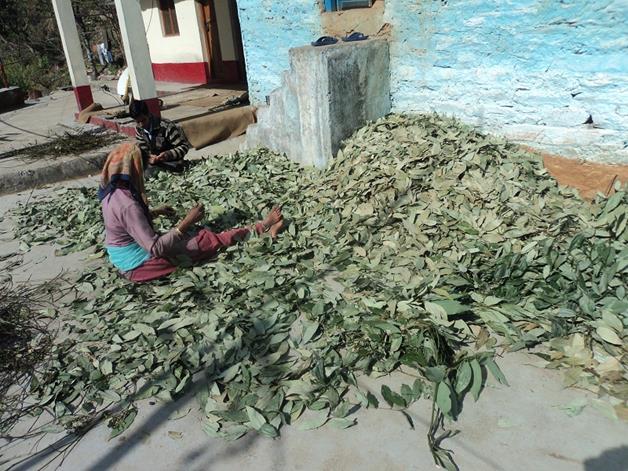
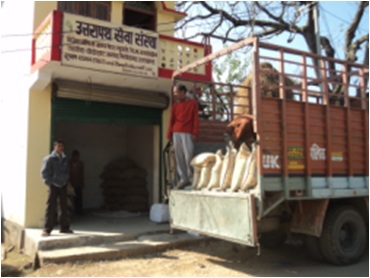
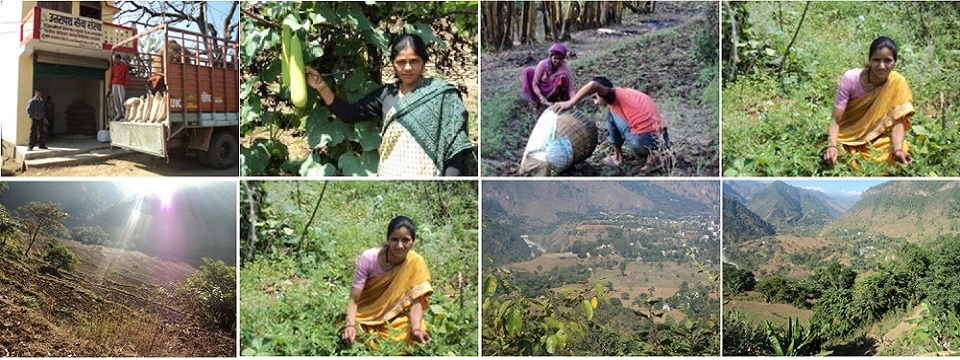
Promoting resource based enterprises to enhance income of local community to bring quality into their lives. Organizing rural primary producers into producer groups and again federating into producer organizations to develop a value chain approach. The livelihood intervention areas are;
Promotion of Self Help Groups
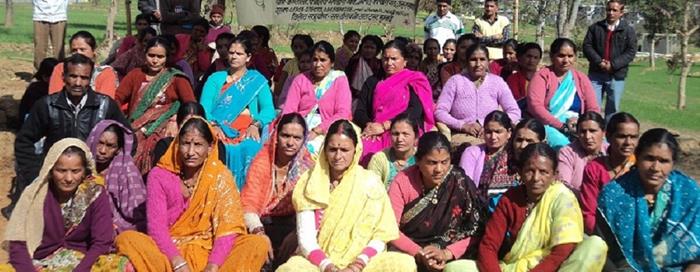
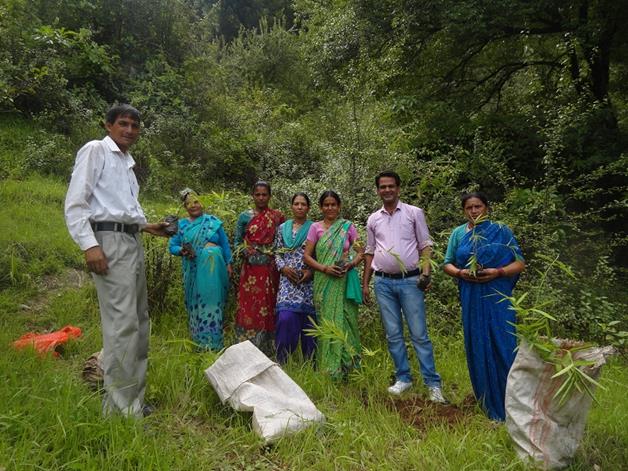
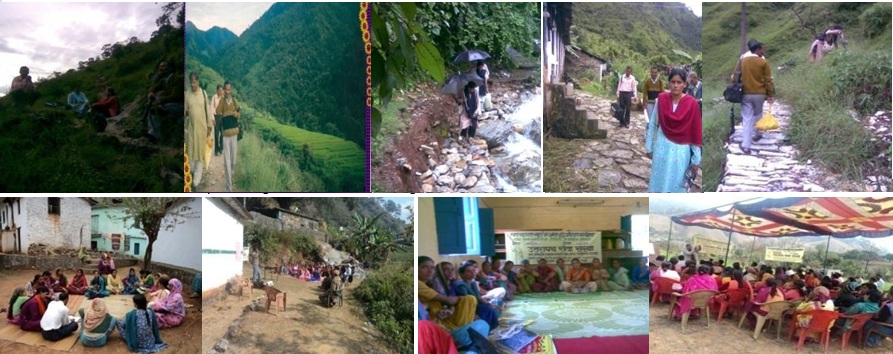
Trainings and capacity building programs are conducted for the households to organize them into SHGs. Groups are trained and their capacity is built on operational and financial capabilities. So far USS has promoted 110 SHGs and these groups are engaged in saving and credit activities. Groups are linked to the bank and have a regular saving. So far organization has trained more than 1052 members of self help groups. Joint Liability Groups have accessed a loan amount of Rs. 0.925 Crore from Banks to invest into enterprises.
| SN | Particulars | Total No. | Membership | Total Saving (In Lakhs) |
| 1. | Self Help Groups | 110 | 1052 | 5.78 Lakhs |
| 2. | Farmer Clubs |
70 |
1503 | – |
| 3. | Joint Liability Groups | 45 | 203 | |
| Total | 225 | 2507 | 5.78 | |
Training on income generation activity and enterprise development
Building capacities of local communities to harvest, process and market the local resources in sustainable way is one of the core objectives. Under the different livelihood promotional projects, producers are selected from self help groups and their capacity is built to produce quality products/services. Products of primary farmers are linked to the local market and through a regional supply chain but as a part of future strategy, these primary producers has to be organized into farmer federation or Producer Company to develop community owned enterprise model.
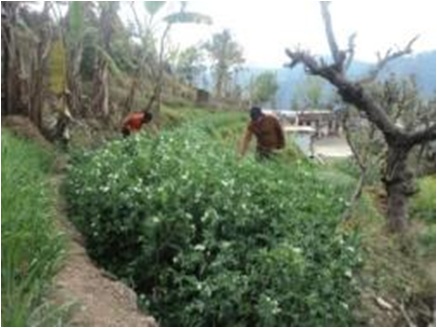
Vegetable production
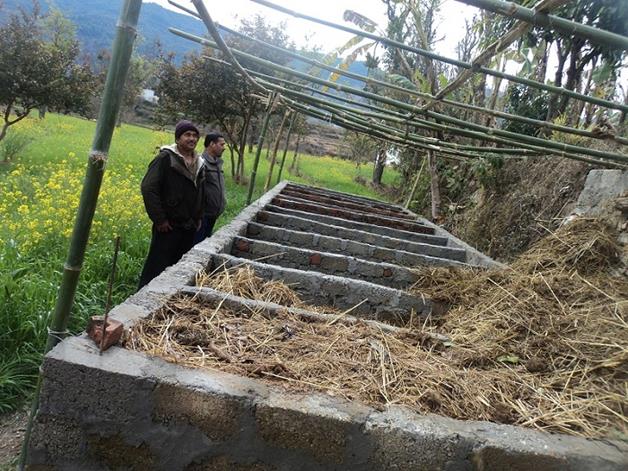
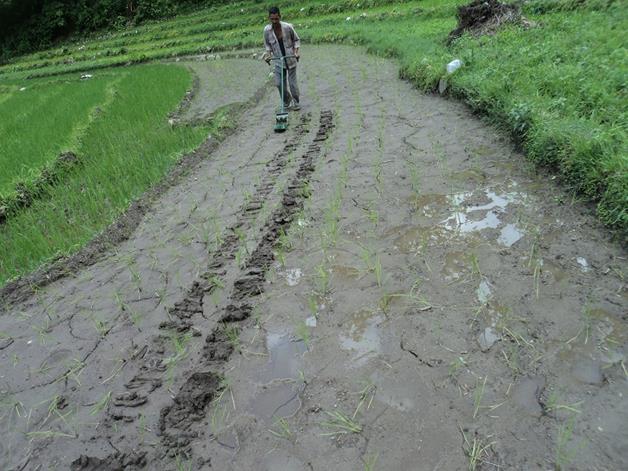
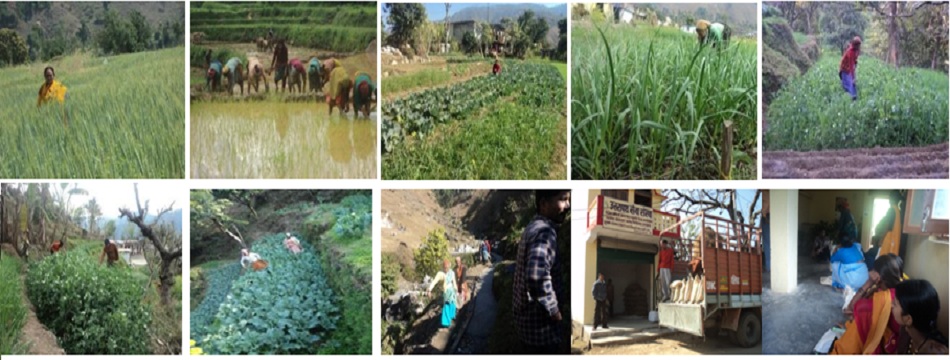
Local farmers were engaged in traditional crops resulting in meager income while they have potential to earn more income from their fields. Initially Sir Dorabhji Tata Trust supported program was initiated to help local farmers to cultivate cash crops in organic way. Later through the support of line departments like agriculture, horticulture, animal husbandry etc USS conducted series of training to built the capacity to increase technical know-how of farmers on modern agriculture practices and increasing their agriculture based income. Field level technical trainings have resulted in adoption of improved and modern technologies by large numbers of farmers and getting good income from farming activities.
Spices production
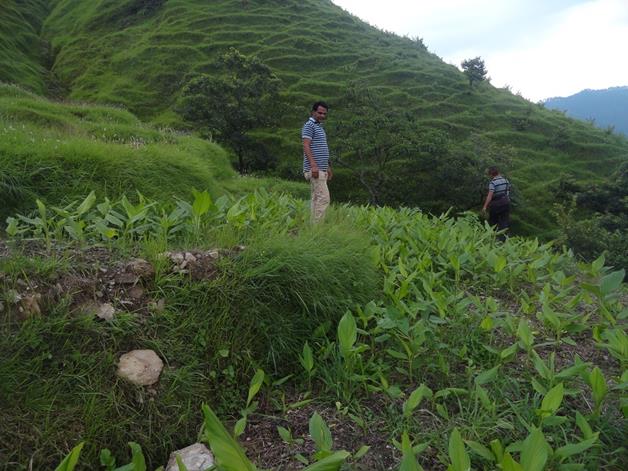
Work in this sector was started after a careful assessment of livelihood pattern of the farming system and need of the farmers to increase their income with the support of Jamsetji Tata Trust, Mumbai. The findings of assessment indicated that production of certain low volume high income crops can address the issues the meager income, labor intensiveness and minimizing menace of wild animal in agriculture land. Cultivation of turmeric, ginger and garlic has several benefits such as it is less labour intense, quite remunerative to cultivators, allows for decentralized processing and eliminates the problem faced by field crops being destroyed by wild animals thus reopening the cultivation of fields that had previously been abandon.
From an initial small numbers of 250 producers today the programs has been working with more than 1300 producers by involving them in cultivation of spices crops. Presently farmers are selling their farm produces into local markets under a regional supply chain and as a future strategy of the organization is to organize the production system and developing infrastructure by promoting systematic value chain approach.
Dairy development
USS initiated modern dairy farming to evolve from subsistence to a commercial activity with 143 women dairy farmers in 56 villages. These women producers are selling fresh milk in the local market and some of the farmers are associated with ANCHAL dairy. Under the NABARD supported Joint Liability Group (JLG) program, 272 households are being organized into 62 JLGs to have access over finance services to invest into dairy sector. Para-vets have been developed in the project area through convergence with Uttarakhand Livestock Development Board (ULDB) to provide artificial insemination services to improve the breed of low milking cattle. The future strategy of the organization is to develop business development services under dairy promotional program as it is one of the most demanding intervention by local community. To address the basic problems in dairy sector, USS liaise with line departments to assist village communities and this year more than 4300 cattle were vaccinated and 1234 cattle were treated.
Natural Timber Fiber Products (NTFP) Development Program
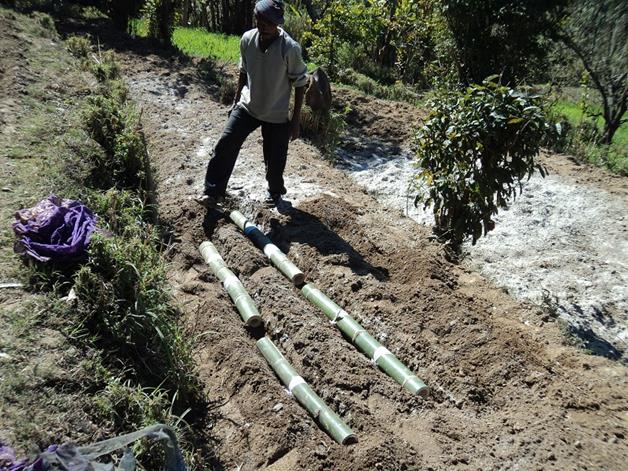
As Bamboo is a versatile group of plants which is capable of providing ecological, economic and livelihood security to the people. Importance of the crop as a source of raw material for industrial and domestic use with its growing demand all over the country necessitated its cultivation in farm lands as well. The main purpose of the program is to promote develop and disseminate technologies through a seamless blend of traditional wisdom and modern scientific knowledge to generate employment opportunities for skilled and unskilled persons, especially unemployed youth in villages. Area has huge potential for Bamboo promotion and traditionally large numbers of households are engaged in bamboo related artisan work.
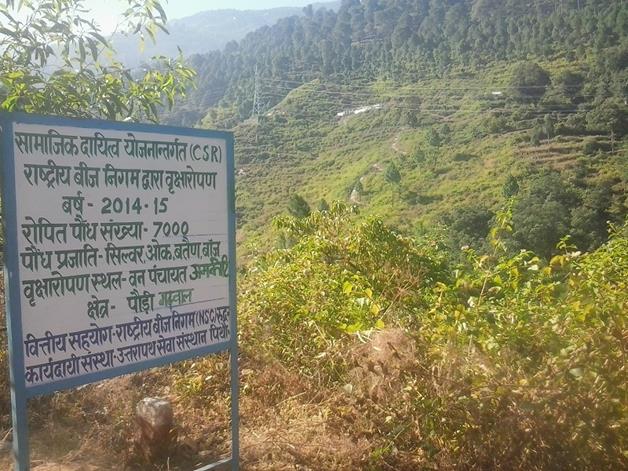
Through the support of Tata Trust, Bamboo promotional program is being implemented by covering approximately 800 households in 15 selected villages with dual purpose to conserve the existing resources and develop biomass for bamboo handicraft. Strengthening of Van Panchayats and other community based organizations is another aspect of the program to enable them to have managerial control over their natural resources.